


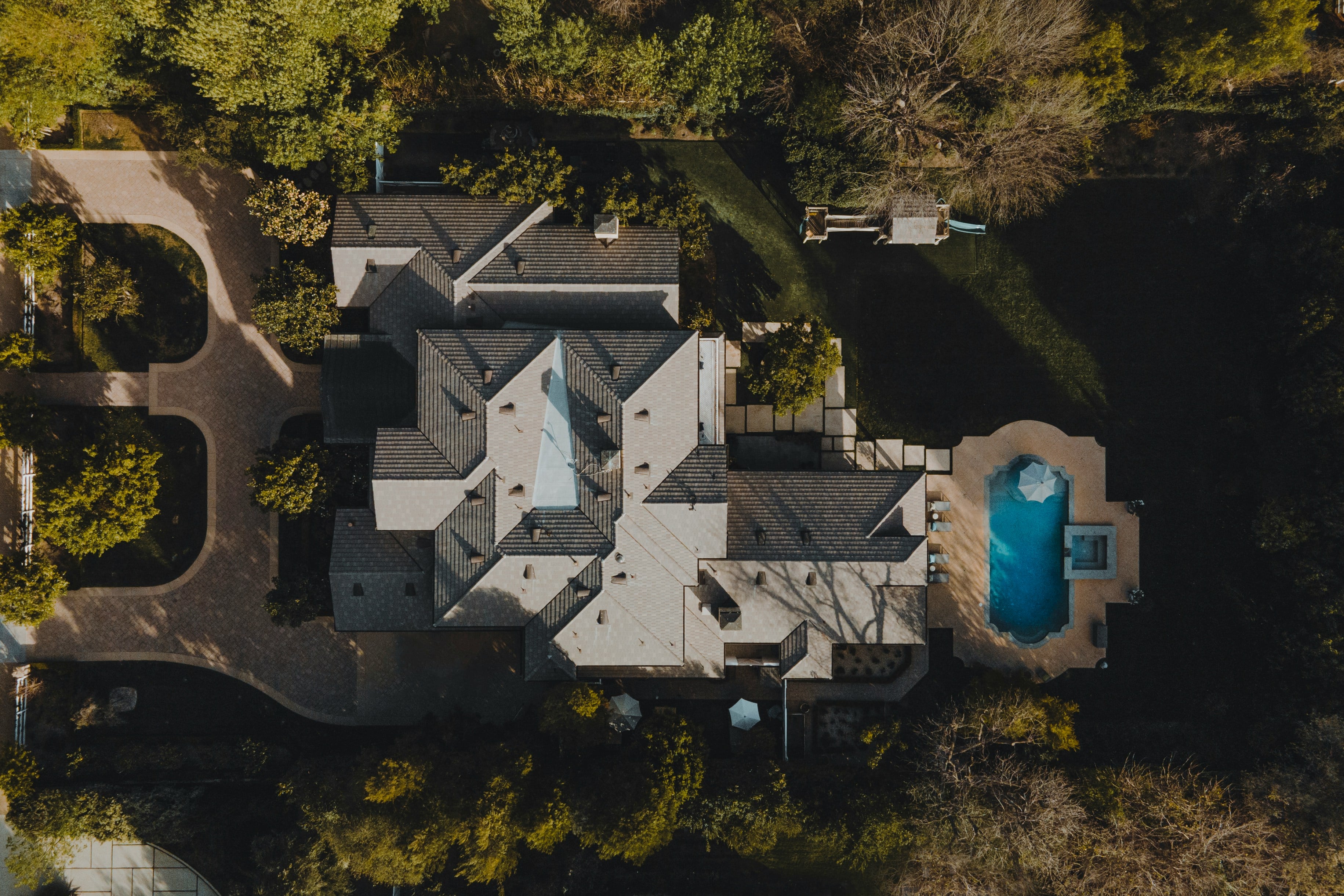
It's not the price tag. It's what the price tag buys you.
Ask ten people to define a luxury home and you'll get ten different answers. Some will talk about square footage. Others will mention a view, a pool, or a gate at the end of the driveway. All of them are partly right, and all of them are missing something. After years of walking through high-end properties across the Sacramento region, I've come to believe luxury isn't a checklist. It's a feeling you notice the moment you walk through the front door, before you've looked at a single feature sheet.
It Starts With Something Deeper Than the Listing Price
A home priced at a premium isn't automatically a luxury home. I've toured properties well into seven figures that felt hollow, and I've walked through smaller homes on quieter streets that had every marker of true luxury: thoughtful design, quality materials, and a sense that every decision in the build was intentional. Price is a signal, not a definition. What actually separates a luxury home from an expensive one is the level of care behind it, from the architect's original vision down to the hardware on the cabinets.
Buyers who are new to this segment of the market often assume more square footage automatically means more luxury. It doesn't. A large home built with generic finishes and a builder-grade layout will almost always feel less luxurious than a smaller home designed around how a family actually lives, entertains, and rests. Scale without intention just reads as empty space.
The Sacramento Region Has Its Own Luxury Vocabulary
Every market defines luxury a little differently, and the Sacramento region is no exception. Coastal California luxury often centers on ocean proximity and dramatic verticality. Here, luxury tends to center on land, light, and livability. Buyers in this region consistently gravitate toward homes with generous lot sizes, mature landscaping, and architecture that takes advantage of the Central Valley's long growing season and abundant sunshine. Outdoor living space isn't an afterthought here. It's often the feature that closes the deal.
Neighborhoods throughout Elk Grove, the region's established estate areas, and the rolling foothill communities toward El Dorado Hills each bring their own version of this. Some buyers want acreage and privacy. Others want architectural pedigree in an established, walkable neighborhood. Both are legitimate expressions of luxury in this market, and neither is more correct than the other.
Craftsmanship and Materials Tell the Real Story
Once you've toured enough homes, you start to develop an eye for the details that separate genuine craftsmanship from surface-level upgrades. Stone versus stone veneer. Solid core doors versus hollow ones. Custom millwork versus stock trim dressed up with paint. These distinctions rarely show up in listing photos, which is exactly why they matter so much once you're standing in the space.
I always encourage buyers to open a few cabinet doors, run a hand along the countertop edges, and check how a window operates. Luxury homes tend to reveal themselves in these small, almost mundane moments. A home built with intention holds up to this kind of scrutiny. One built to impress a camera lens often doesn't.
Land, Privacy, and the Value of Space
In a region with as much geographic range as ours, from dense urban pockets to sprawling agricultural land, space itself becomes a form of luxury. A lot that offers true privacy, whether through mature trees, thoughtful setbacks, or simple distance from neighboring homes, carries value that doesn't always show up in a comparable sales report. The same is true of usable outdoor square footage: a pool house, an outdoor kitchen, a detached guest structure, or simply a backyard large enough to host without feeling crowded.
This is one of the clearest ways Sacramento-region luxury differs from urban luxury markets. Here, buyers aren't paying primarily for proximity to everything. They're paying for room to breathe and for the ability to shape their own environment rather than share it.
What Luxury Buyers Actually Prioritize When Touring Homes
After guiding many buyers through this segment of the market, I've noticed the same priorities surface again and again, regardless of budget tier:
- A primary suite that feels like a genuine retreat, not just a larger bedroom
- Kitchens designed for real cooking and entertaining, not just display
- Natural light throughout the main living spaces
- A logical, comfortable flow between indoor and outdoor living areas
- Systems and infrastructure, including HVAC, electrical, and roofing, that match the quality of the finishes
That last point trips up more buyers than any other. It's easy to be dazzled by a chef's kitchen and forget to ask about the age of the roof or the capacity of the electrical panel. True luxury includes what you can't see as much as what you can.
Common Misconceptions Buyers Bring Into the Luxury Search
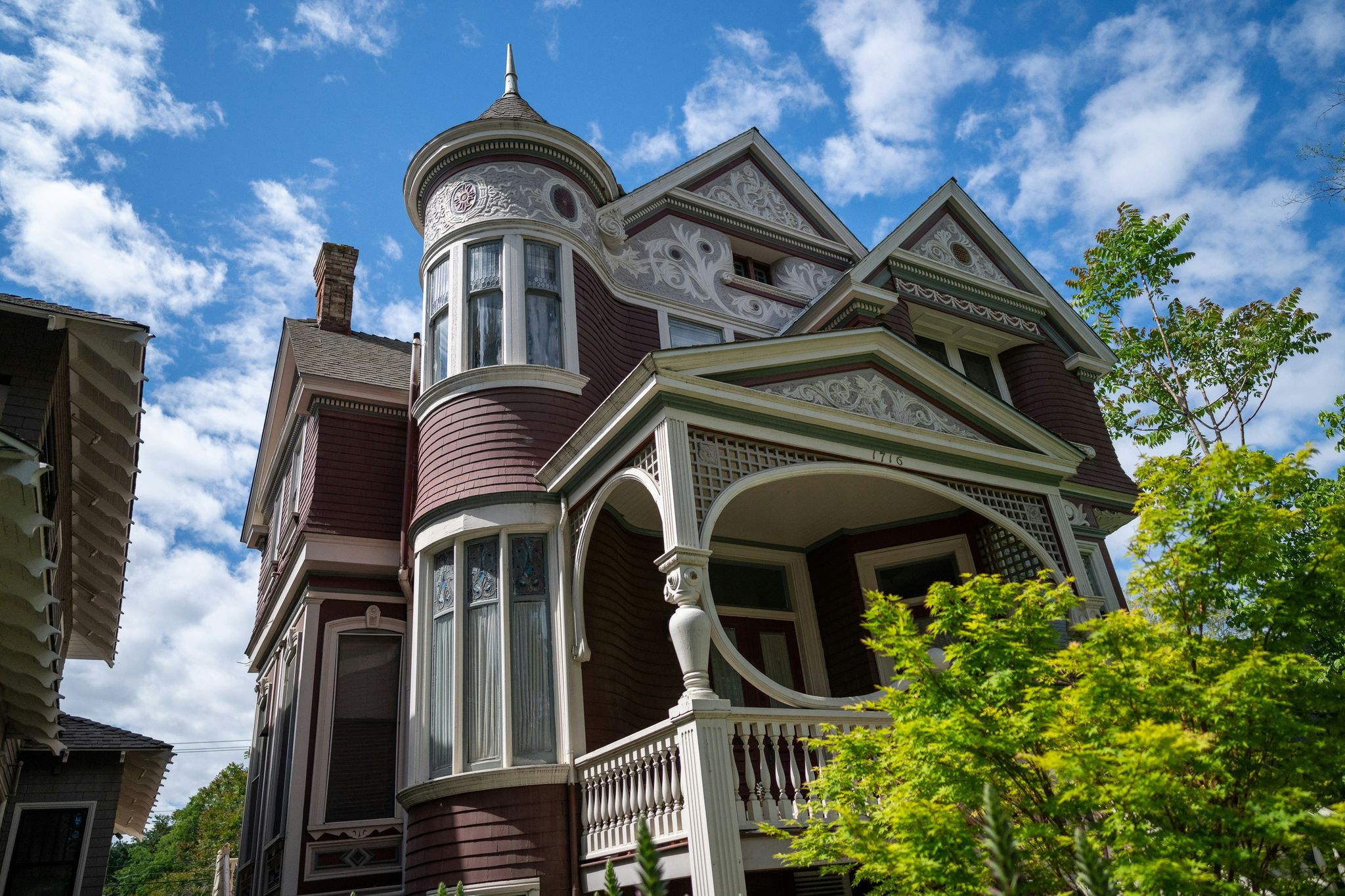
One misconception I hear often is that a luxury home needs to be brand new to qualify. Some of the most compelling luxury properties in this region are decades old, with mature trees, established landscaping, and architectural character that a new build simply hasn't had time to develop. Age isn't a liability in this segment. It's frequently an asset, as long as the home has been properly maintained and thoughtfully updated.
Another common assumption is that every luxury home needs a formal, ornate style. In practice, the buyers I work with are just as often drawn to clean, understated architecture as they are to more traditional estate design. Luxury is defined by quality and intention, not by a specific aesthetic.
How Thoughtful Design Holds Its Value Over Time
One of the quieter advantages of a genuinely well-built luxury home is how it ages. Trend-driven finishes, the kind chosen for how they photograph rather than how they wear, tend to feel dated within a handful of years. Homes designed around timeless materials and proportion, on the other hand, tend to feel just as compelling a decade later as they did on day one.
This matters for buyers who think of their home as more than a place to live. A property built with lasting materials, sound infrastructure, and a design that doesn't chase a passing trend tends to hold its appeal to future buyers as well, whenever that day eventually comes. It's one more reason the underlying quality of a home matters more than any single feature on a listing sheet.
Working With an Agent Who Understands the Luxury Market
The luxury segment moves differently than the broader market. Inventory is thinner, comparables are harder to pin down, and the right property for one buyer might be completely wrong for another, even at a similar price point. Having an agent who has spent real time in this segment, who has walked through the estate neighborhoods, the acreage properties, and the architecturally distinct homes throughout the region, makes a meaningful difference in how confidently you can move.
Whether you're searching for your first luxury purchase or your fifth, the process benefits from someone who can help you separate genuine value from polished marketing. That's the work I do every day throughout the greater Sacramento region.
If you're beginning to explore what luxury living looks like here, I'd welcome the chance to walk through a few properties with you and talk through what actually matters for your lifestyle. This region has more to offer than people expect, and I enjoy nothing more than helping buyers discover that firsthand.
Frequently Asked Questions
What makes a home a "luxury home" in the Sacramento region?
A luxury home is defined by the quality of its construction, materials, and design intention rather than by size or price alone. In the Sacramento region, this often includes generous lot sizes, thoughtful indoor-outdoor flow, and infrastructure that matches the quality of the visible finishes.
Do luxury homes in this region need to be newly built?
No. Many of the most desirable luxury properties in the Sacramento region are established homes with mature landscaping and architectural character. Age can add value in this segment when a home has been well maintained and thoughtfully updated over time.
What should buyers look for beyond the visible finishes?
Buyers should pay close attention to the home's underlying systems, including the roof, electrical panel, HVAC, and foundation. A home can have stunning finishes and still carry deferred maintenance that isn't obvious on a first walkthrough.
Which areas in the Sacramento region are known for luxury properties?
Luxury inventory can be found throughout the region, including established estate neighborhoods, acreage properties on the valley's edges, and foothill communities toward El Dorado Hills. Each offers a different version of luxury, from privacy and land to architectural pedigree.
Is a larger home always more luxurious?
Not necessarily. A smaller home designed with intentional flow, quality materials, and a strong connection to its outdoor space frequently feels more luxurious than a larger home with generic finishes and an impractical layout.
Check out this article next