


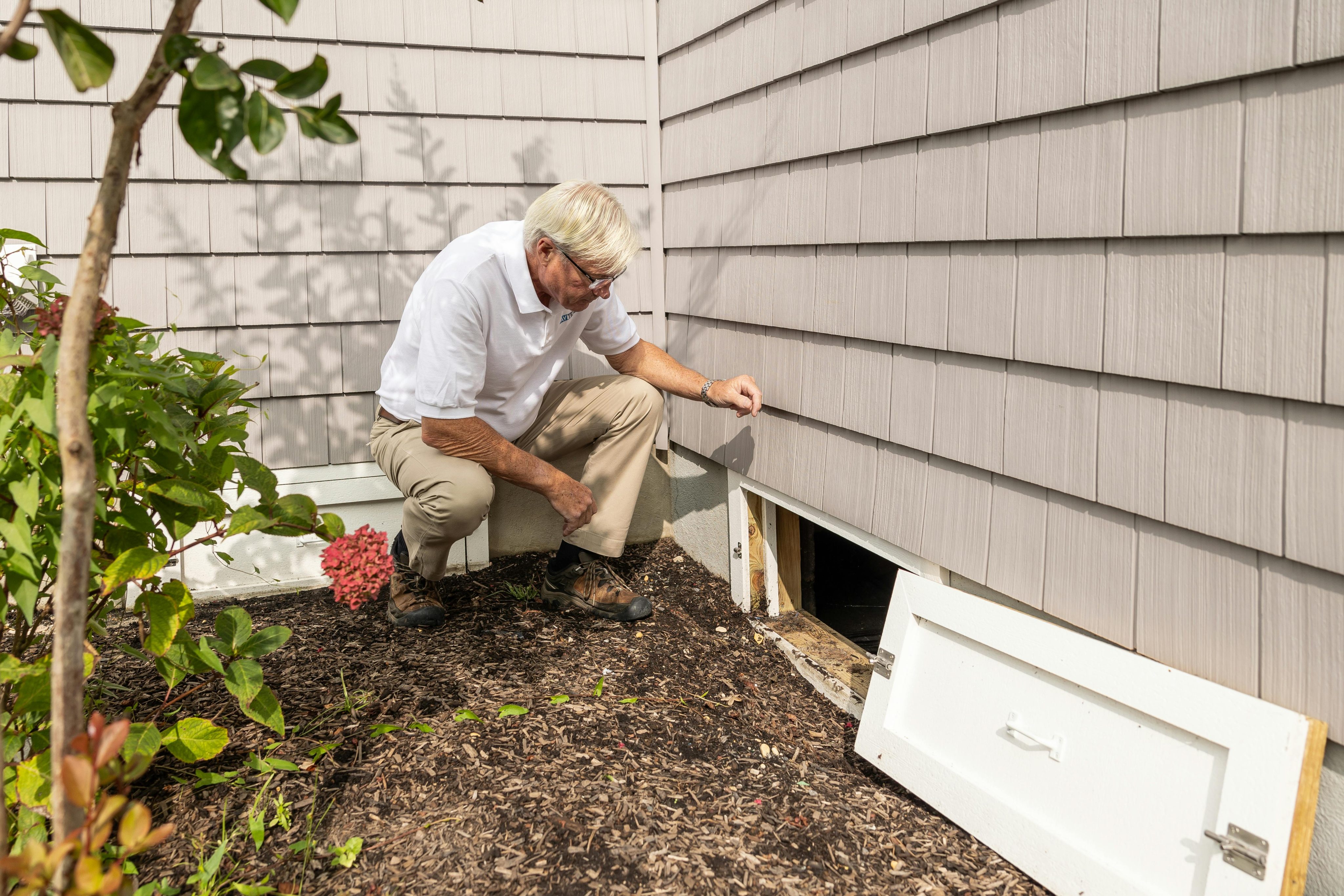
What Should I Look for During a Home Inspection?
Your home inspection is one of the most important steps in the buying process, and it is your opportunity to understand exactly what you are purchasing. A licensed home inspector will evaluate the property's major systems and components and provide a written report, typically within 24 hours.
What a standard inspection covers:
- Roof condition and remaining life estimate
- Foundation and structural elements
- Electrical panel and visible wiring
- Plumbing and water heater
- HVAC systems, including furnace and air conditioning
- Insulation and attic conditions
- Windows, doors, and weatherproofing
- Garage door safety features
What a standard inspection does not cover: underground plumbing, behind walls, or items requiring specialist licensing such as pools, chimneys, or sewer lines. For properties where these are concerns, specialist inspections are available and often worth the additional cost.
Approach the inspection report as a learning document, not an automatic dealbreaker. Every house has a list. What matters is distinguishing between routine maintenance items, deferred maintenance that has a cost, and genuine material defects that affect safety or structural integrity.
How Do I Negotiate Repairs?
In California, a home inspection contingency gives you the right to review the property's condition and negotiate based on findings, or cancel the contract within the contingency period without losing your deposit.
There are three main approaches to addressing inspection findings:
- Request that the seller make specific repairs before closing, completed by licensed contractors with receipts
- Request a credit in lieu of repairs, which reduces your closing costs or purchase price and lets you manage the work yourself
- Request a price reduction to reflect the cost of deferred maintenance
The right approach depends on the item, the market conditions, and what matters most to you. Credits are often cleaner than asking sellers to manage repairs, because seller-coordinated work is rarely done to the buyer's standards. However, lenders have rules about the types and amounts of credits that can be applied, so coordinate with your lender before you finalize your request.
Your agent's role is to help you identify which items are worth pursuing and how to frame the request so it does not put the entire deal at risk unnecessarily. Not everything on an inspection report warrants a negotiation.
What Happens If the Home Does Not Appraise for the Offer Price?
If you are financing your purchase, your lender will require an appraisal to verify that the home's market value supports the loan amount. If the appraised value comes in below the contract price, you have a gap to address.
Your main options when facing a low appraisal:
- Negotiate with the seller to reduce the purchase price to the appraised value
- Pay the difference in cash between the appraised value and the contract price
- Challenge the appraisal with comparable sales data through your lender (called a reconsideration of value)
- Cancel the contract using your appraisal contingency and receive your deposit back
In a competitive Sacramento market, some buyers waive their appraisal contingency to strengthen an offer. This carries real risk and should only be done if you have the financial capacity to cover a potential gap and have done sufficient market research to feel confident in the price.
Understanding the appraisal contingency before you write an offer, including whether to include it, reduce it, or waive it, is an important strategic conversation with your agent.
How Long Does the Closing Process Take?
In California, most residential purchases close within 30 to 45 days from accepted offer to recording, though cash purchases can close in as few as 7 to 14 days.
A typical timeline for a financed purchase:
- Days 1-3: Earnest money deposit submitted; escrow opened; title search initiated
- Days 3-14: Inspection period; disclosures reviewed; loan application submitted; appraisal ordered
- Days 14-21: Loan underwriting; contingency removals; HOA documents reviewed if applicable
- Days 21-30: Final loan approval; closing disclosure received; final walkthrough
- Days 30-45: Signing; recording; keys released
The most common source of delays is documentation issues on the loan side. Staying responsive to your lender's requests, not making large financial moves during escrow such as opening new credit accounts or changing employment, and having your paperwork organized in advance all contribute to a smoother close.
What Is a Home Warranty?
A home warranty is a service contract, distinct from homeowners insurance, that covers the repair or replacement of specific home systems and appliances when they fail due to normal wear and tear.
Standard home warranties typically cover:
- HVAC systems
- Electrical systems
- Plumbing systems
- Built-in appliances such as dishwasher, range, and refrigerator
Optional add-ons often include pool and spa equipment, roof leak repair, and secondary refrigerators.
Home warranties are available for purchase by buyers or offered by sellers as a negotiating incentive. First-year coverage typically runs $400 to $700 depending on coverage level and provider. The benefit is most pronounced when a covered system fails in the first year of ownership, which is when you least want a large unexpected expense.
Read the contract carefully before purchasing. Home warranties have coverage limits, service call fees typically ranging from $75 to $150 per visit, and exclusions for pre-existing conditions and improper installation. They are a useful risk management tool but are not a substitute for understanding a home's condition before you buy.

Frequently Asked Questions
Q: Do I have to be present at the home inspection?
You are not required to attend, but you can be. Being there allows you to hear the inspector's findings in real time, ask questions, and understand the difference between a minor observation and a meaningful concern. The written report captures the findings, but the walkthrough conversation adds context that the report alone cannot.
Q: What is a final walkthrough and when does it happen?
The final walkthrough typically occurs within 24 to 48 hours before closing. It is your opportunity to verify that the property is in the same condition as when you made the offer, that any agreed repairs have been completed, and that no new damage has occurred. Bring your inspection report and the list of agreed repairs. If something is wrong, your agent can address it before you sign.
Q: What happens to my earnest money deposit?
Your earnest money deposit, typically 1% to 3% of the purchase price in California, is held in escrow and applied toward your down payment or closing costs at closing. If you cancel within a contingency period, you receive it back. If you cancel without a valid contingency reason, you may forfeit it to the seller. Understanding your contingencies and their timelines is critical.
Q: Can closing costs be rolled into the loan?
In most cases, closing costs cannot be rolled into the loan on a purchase transaction the same way they might be on a refinance. However, you may be able to negotiate a seller credit to cover some closing costs, or choose a lender-paid closing cost option that adjusts your interest rate slightly in exchange for the lender covering fees.
Q: What is title insurance and do I need it?
Title insurance protects you and your lender against claims or legal defects in a property's ownership history. There are two policies: a lender's policy, which is typically required for financed purchases, and an owner's policy, which is paid as a one-time premium at closing. The owner's policy protects you for as long as you own the property. In California, who pays for title insurance is a locally negotiated custom that varies by county.
Q: What does 'recording' mean and when can I get my keys?
Recording is the final step in closing, when the deed transferring ownership is recorded with the county. In California, keys are typically released when the lender funds the loan and the county confirms recording, which usually happens on the same business day. Some counties offer same-day recording; others may take until the following day. Your escrow officer will give you an estimated timeline as you approach closing.
Check out this article next