

How much do you want to choose, and how long are you willing to wait?
When buyers start looking at new homes, the words fly fast. Production. Semi-custom. Custom. Tract. Spec. It can sound like everyone is talking about the same thing. They're not. The type of builder you choose shapes your price range, your choices, your timeline, and how involved you'll be.
I've helped buyers through all three paths around the Sacramento region. Here's a clear look at production vs custom home builders, where semi-custom fits in the middle, and how to decide which path fits you.
What Is a Production Builder?
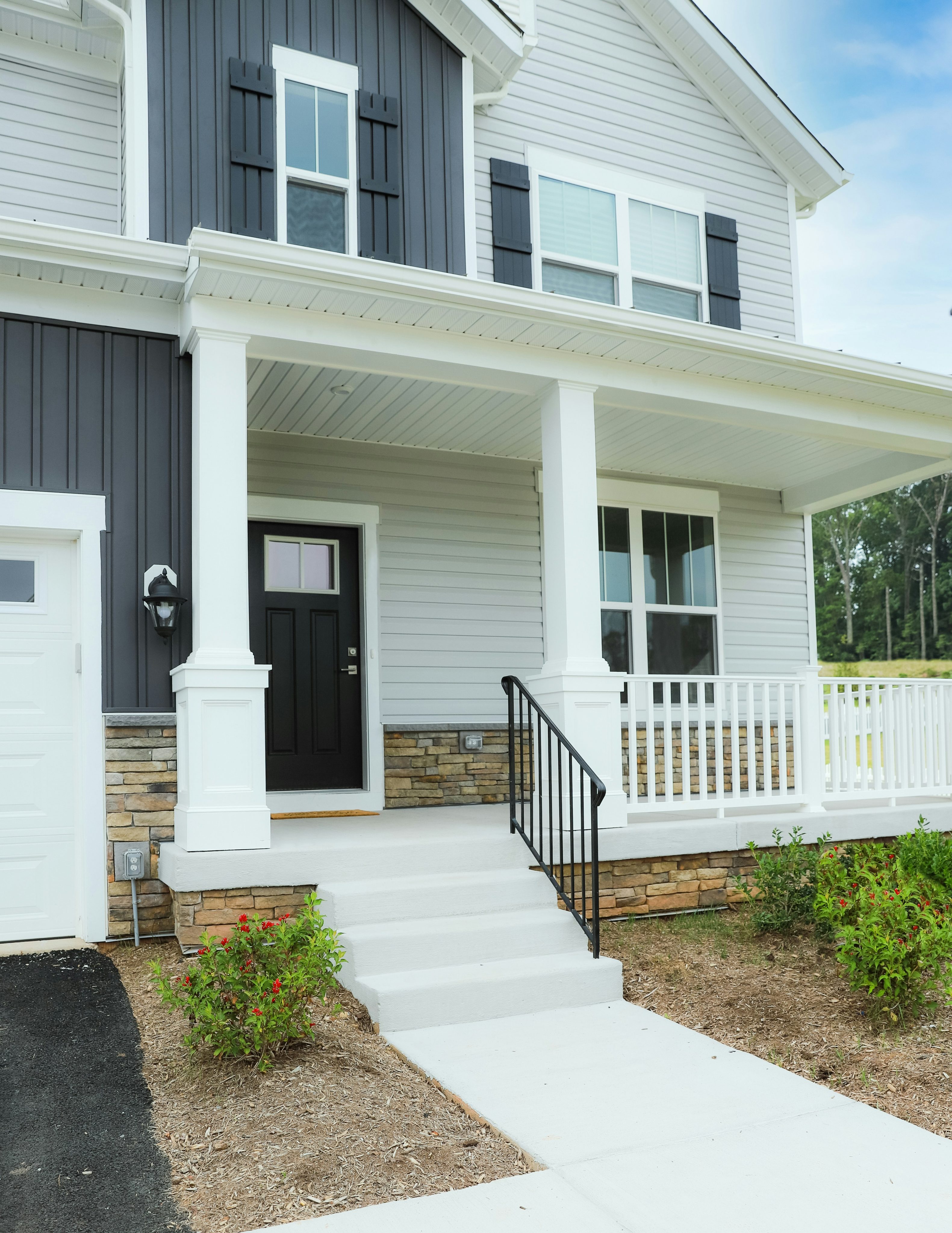
Production builders build many homes in a planned community. They offer a set of floor plans, often three to six. Each plan has a few exterior styles. Buyers pick a plan, a lot, and finishes from a set menu.
Because they build at scale, production builders can work fast and keep costs in check. They buy materials in bulk. Their crews build the same plans again and again. That repetition helps keep quality steady and timelines predictable.
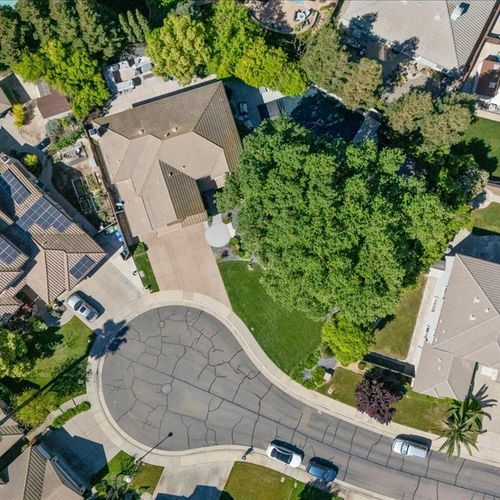
Many of the larger new communities around Elk Grove, Rancho Cordova, Roseville, and Folsom are built this way. You'll often see model homes, a sales office, and a design center where you choose your finishes.
The Upside of Production Homes
- A clear, predictable process
- Shorter build times than custom
- Pricing that's easier to compare
- Model homes you can walk through before you buy
- Community amenities like parks, trails, or pools in some neighborhoods
The Trade-Offs
- Limited changes to the floor plan
- Finishes chosen from a set menu
- Lots that are often smaller and closer together
- Homes that may look similar to their neighbors
What Is a Semi-Custom Builder?
Semi-custom sits in the middle. You start with a base plan, much like a production home. But you have more freedom to change it.
Depending on the builder, you might move walls, add a room, expand a garage, or change the exterior. You'll usually get a wider range of finish choices too. Some semi-custom builders build in communities. Others build on lots you already own.
Think of it this way. A production builder hands you a menu. A semi-custom builder hands you a menu and lets you make some special requests.
The Upside of Semi-Custom
- More personal choices without starting from scratch
- A proven base plan, so fewer design surprises
- Often larger lots or more lot choices
- A home that feels more like your own
The Trade-Offs
- Higher cost than a similar production home
- Longer timelines as changes are designed and approved
- More decisions, which takes more of your time
- Pricing that can be harder to compare across builders
What About Fully Custom Builders?
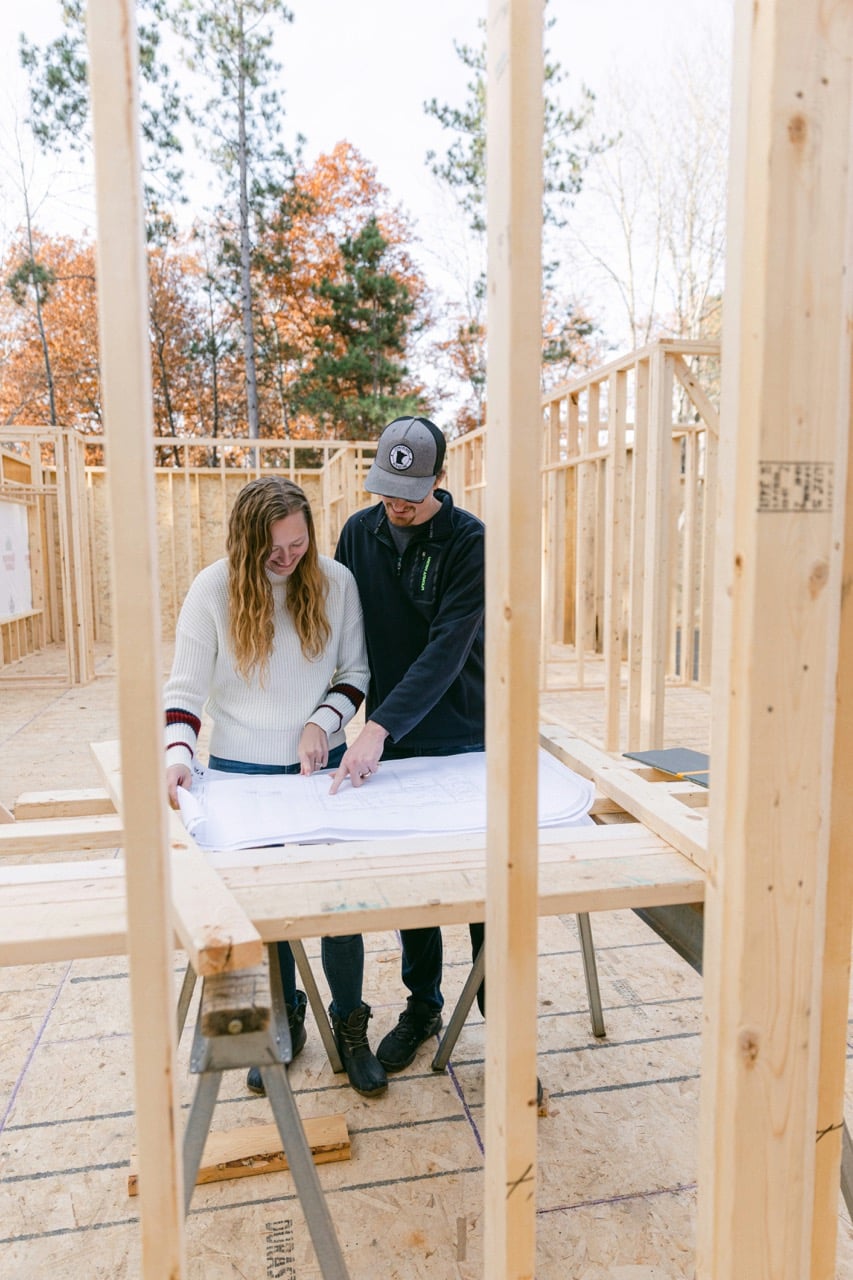
A fully custom home is designed from the ground up. You usually work with an architect or designer and a custom builder. Every detail is up to you. The layout. The materials. The way the home sits on the land.
Custom homes often go on larger lots or acreage. Around our region, that might be a parcel in Wilton, the foothills of El Dorado County, or a rural pocket near Elk Grove. These builds take the most time and the most decisions. They also offer the most freedom.
If you're buying land to build on, there's a lot to check first. Access, utilities, well and septic, zoning, and site prep can all affect cost and timing. That's a topic of its own, and one I love helping with.
Where Spec and Inventory Homes Fit In
You'll also hear the terms "spec home" and "inventory home." These are homes a builder starts or finishes before a buyer signs up. The builder picks the plan, the lot, and the finishes.
Production builders often have inventory homes in their communities. Semi-custom and custom builders sometimes build spec homes too, often on larger lots.
The big plus is speed. An inventory home may be ready in weeks instead of months. You can often see the finished home before you buy. The trade-off is choice. Most decisions have already been made. Builders sometimes offer incentives on these homes, so they can be worth a look.
Lots, Premiums, and Placement
With any builder, the lot matters as much as the house. In production communities, builders often charge a lot premium for certain spots. A larger yard. A corner lot. A view of open space. A spot that backs to a trail instead of a busy road.
These premiums are worth comparing carefully. A great lot can add lasting value and daily enjoyment. A premium on a lot that doesn't change your life much may not be worth it.
With semi-custom and custom builds, you often have more say over how the home sits on the lot. You can plan for morning light in the kitchen, shade on the patio, or a view from the primary suite. That kind of placement is hard to get in a production setting.
The Design Center Experience
Most production builders, and many semi-custom builders, have a design center. This is where you pick flooring, cabinets, counters, fixtures, and more.
It's fun. It can also be expensive. Upgrades are priced one by one, and they add up quickly. Before your appointment, set a firm upgrade budget. Decide which items matter most to you. Focus on things that are hard to change later, like flooring, cabinets, and electrical. Paint and light fixtures are easier to update down the road.
A Side-by-Side Look
Here's a simple way to compare the three paths:
- Choices: Production offers the fewest. Semi-custom offers more. Custom offers nearly unlimited choices.
- Timeline: Production is usually the fastest. Semi-custom takes longer. Custom takes the longest.
- Cost: Production is often the most budget-friendly per square foot. Costs tend to rise with each step toward custom.
- Your time: Production needs the least of your time. Custom needs the most.
- Predictability: Production is the most predictable. Custom has the most moving parts.
Questions to Ask Any Builder
No matter which path you choose, these questions help you compare builders fairly:
- What's included in the base price, and what counts as an upgrade?
- Which plan changes are allowed, and how are they priced?
- What's the typical build timeline, and what can delay it?
- What warranty comes with the home, and how do I make a request?
- Can I bring my own inspector during and after construction?
- Can I use my own lender, and does that affect any incentives?
- Can I talk with a few recent buyers about their experience?
A good builder will answer these openly. If the answers are vague, take note.
How to Choose the Right Path
There's no best type of builder. There's only the best fit for you. Here's how I help buyers sort it out.
Start with your timeline. If you need to move within the year, production or a finished spec home may be the best match. If you can wait, semi-custom or custom opens up.
Be honest about decisions. Some people love choosing every tile. Others find it draining. Pick the path that matches how much you want to be involved.
Think about the land. If a large lot or acreage matters, production may not offer it. Semi-custom or custom is often the way to get more land.
Plan your budget with a cushion. Upgrades and changes add up quickly on every path. Leave room for them.
Have your own representation. Builder sales reps work for the builder. Having your own agent means someone is focused on your interests through contracts, upgrades, and walkthroughs.
New construction can be a great way to get a home that fits you from day one. The key is knowing which kind of builder matches your goals. If you're weighing new homes anywhere in the Sacramento region, I'd be glad to help you compare your options side by side.
Frequently Asked Questions
What is the difference between a production builder and a custom builder?
A production builder builds many homes in a community using a set of floor plans and finish options. A custom builder designs and builds one home to the owner's exact plans, often on the owner's own lot. Custom offers more freedom but takes more time and money.
What does semi-custom mean in new construction?
Semi-custom means you start with a base floor plan and can make meaningful changes, like moving walls, adding rooms, or picking from a wider range of finishes. It sits between production and fully custom homes.
Are production homes good quality?
Many are. Production builders repeat the same plans with experienced crews, which can keep quality steady. An independent inspection during and after construction is still a smart step with any builder.
How long does it take to build a semi-custom home?
It usually takes longer than a production home because changes need to be designed, priced, and approved. Timelines vary by builder, permits, and the scope of changes, so ask each builder for a realistic estimate.
Should I use my own agent when buying from a builder?
Yes, it's worth considering. Builder sales reps represent the builder. Your own agent can help you compare builders, review contracts, and keep an eye on upgrades, timelines, and walkthroughs.
Check out this article next