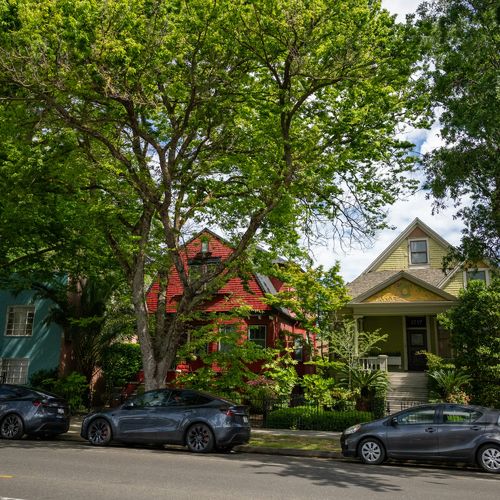


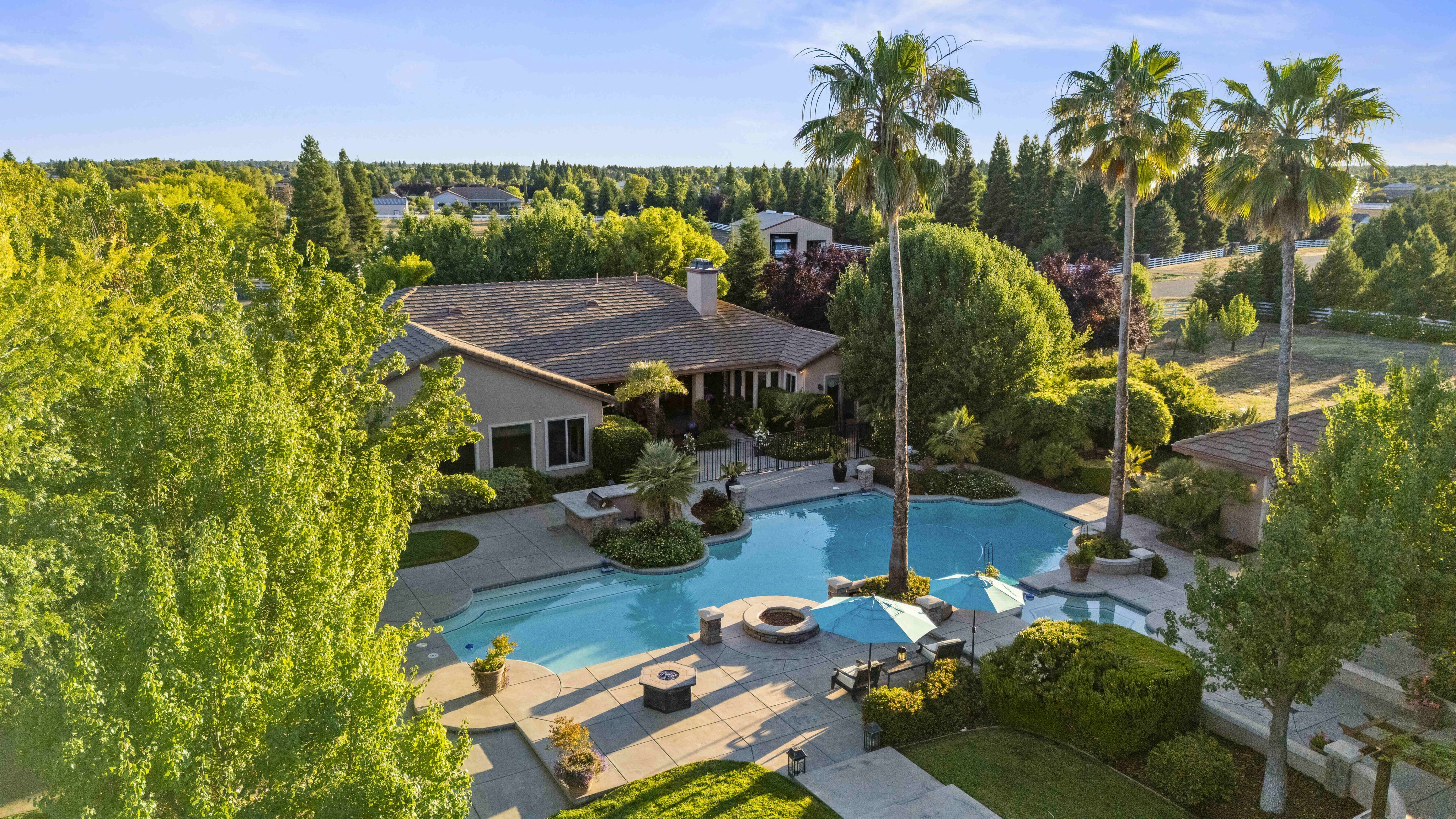
People new to the region often ask me what "luxury" looks like in Sacramento, expecting a single answer. There isn't one. Luxury here isn't a single architectural style or a single zip code. It's a set of qualities, privacy, craftsmanship, land, and history, that show up in very different forms depending on where you're standing. A hundred-year-old estate under a canopy of elms in East Sacramento and a custom hillside build in the Placer County foothills are both considered luxury properties, and they have almost nothing in common on paper.
I've spent years walking buyers through this distinction, because understanding it changes how you search. If you're comparing neighborhoods by price alone, you'll miss what actually separates them.
Luxury Looks Different Depending on Where You Stand
Broadly, luxury living in the greater Sacramento region falls into a few distinct categories. There's the historic in-city luxury of established Sacramento neighborhoods, where character and architecture carry the value. There's the gated and golf-course community model found throughout the suburbs and foothills, where privacy and amenities are built into the structure of the neighborhood itself. And there's the acreage and view-lot model in the foothills of Placer and El Dorado counties, where space and setting define the experience.
None of these is objectively "more luxury" than the others. They serve different lifestyles, and the right one depends entirely on what you actually want your daily life to feel like.
The Historic Core: East Sacramento and Land Park
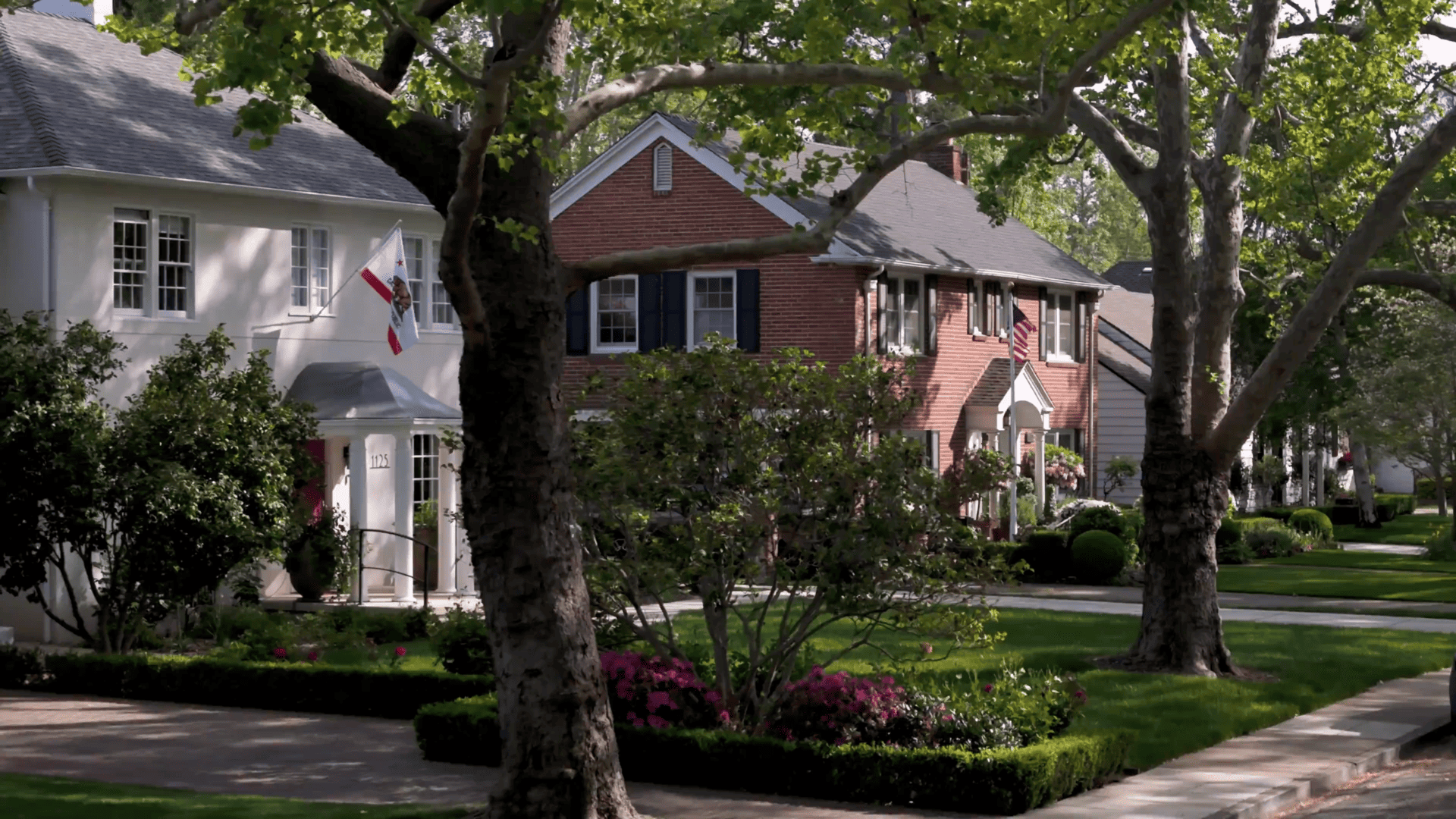
East Sacramento, particularly the area residents call the Fab Forty, is one of the most architecturally distinct luxury pockets in the region. The streets are numbered in the forties, hence the nickname, and they're lined with mature trees and homes built primarily in the early to mid-twentieth century. Tudor, Mediterranean, and traditional styles sit close together, and the neighborhood's appeal is rooted in craftsmanship and setting rather than square footage alone. Walkability matters here. Residents are close to the Sacramento River, McKinley Park, and a well-established retail and dining corridor.
Land Park carries a similar historic weight with its own identity. Homes near William Land Park and the Sacramento Zoo tend toward midcentury and traditional architecture, with generous lots by in-city standards and a strong sense of neighborhood continuity. Many of these homes have been thoughtfully updated while keeping their original character, which is part of what makes them desirable to buyers who want history without sacrificing modern function.
The Gated and Golf Course Communities
Move east and north into the suburbs and the model shifts. Serrano, in El Dorado Hills, is one of the region's most recognized gated communities, built around a golf course and offering a level of privacy and amenity access that in-city neighborhoods simply can't replicate. Granite Bay follows a similar pattern, with custom and semi-custom homes on larger lots, many with direct or near access to Folsom Lake.
Rancho Murieta, further southeast, takes the concept further still. It's a fully gated community built around two golf courses, with its own airstrip and equestrian facilities, and it draws buyers who want resort-style amenities as part of daily life rather than something they drive to.
These communities share a few structural traits worth understanding before you commit to one. HOA dues typically fund the gates, common areas, and amenities, which means the cost of luxury here is partly captured outside the mortgage payment. Architectural review committees often govern exterior changes, which preserves the neighborhood's consistency but limits flexibility. And the trade-off for privacy is usually distance, both from the urban core and from more walkable, mixed-use environments.
Space, Privacy, and Views in the Foothills
Further into the Placer and El Dorado County foothills, luxury takes on a different shape entirely. Here, it's defined by acreage, custom construction, and views rather than by a gate or a shared amenity package. Buyers drawn to this model are usually looking for privacy in the literal sense, no shared walls, no close neighbors, and often no HOA at all.
Custom builds in these areas tend to be architect-designed rather than production homes, and the land itself, oak-studded parcels, seasonal creeks, elevation changes, often plays as much a role in the home's value as the structure. This is also where buyers most often ask about wells, septic systems, and defensible space, considerations that don't come up in an in-city neighborhood but matter enormously here.
What Buyers Should Weigh Beyond the Price Point
When I'm helping someone compare luxury neighborhoods, price is rarely the deciding factor. What matters more is fit. Commute tolerance is a real consideration. In-city neighborhoods put you close to everything; foothill acreage puts distance between you and daily errands. HOA structure matters too. Some buyers want the predictability and amenity access an HOA provides. Others want none of it.
Resale patterns differ as well. Historic in-city neighborhoods tend to hold value through consistent, steady demand tied to architecture and location. Gated communities can be more sensitive to amenity upkeep and HOA health. Foothill acreage tends to attract a narrower, more specific buyer pool, which can mean longer time on market but often a more motivated one.
None of these trade-offs are dealbreakers on their own. They're just the questions worth asking before you fall in love with a street.
I've walked enough buyers through this decision to know it rarely comes down to a spreadsheet. It comes down to picturing your own life inside the neighborhood, not just the house. If you're weighing where luxury actually fits for you in this region, I'd be glad to talk through what each of these areas offers in more depth.
Frequently Asked Questions
What areas are considered luxury neighborhoods in the Sacramento region?
The region includes several distinct luxury markets, including East Sacramento's Fab Forty and Land Park inside the city, gated golf communities like Serrano in El Dorado Hills and Rancho Murieta, and custom acreage properties throughout the Placer and El Dorado County foothills, including Granite Bay.
What is the difference between a gated community and a luxury neighborhood?
Not every luxury neighborhood is gated, and not every gated community qualifies as luxury. Gated communities specifically offer controlled access and often shared amenities funded through HOA dues, while luxury neighborhoods more broadly are defined by architecture, land, privacy, or location, with or without a gate.
Are luxury homes in Sacramento mostly new construction or historic?
Both exist throughout the region. Historic luxury is concentrated in established in-city neighborhoods like East Sacramento and Land Park, while new and custom construction is more common in suburban gated communities and foothill acreage areas.
What should I look for when comparing luxury neighborhoods?
Beyond price, consider commute tolerance, HOA structure and dues, architectural review restrictions, resale patterns, and how much privacy versus walkability actually fits your daily routine.
Is El Dorado Hills or Granite Bay better suited to a luxury lifestyle?
Both offer strong luxury options, but with different character. El Dorado Hills, particularly Serrano, leans toward a structured, gated golf community model, while Granite Bay tends to offer larger custom lots with more direct access to Folsom Lake. The right fit depends on whether you prioritize community structure or space and setting.
Check out this article next