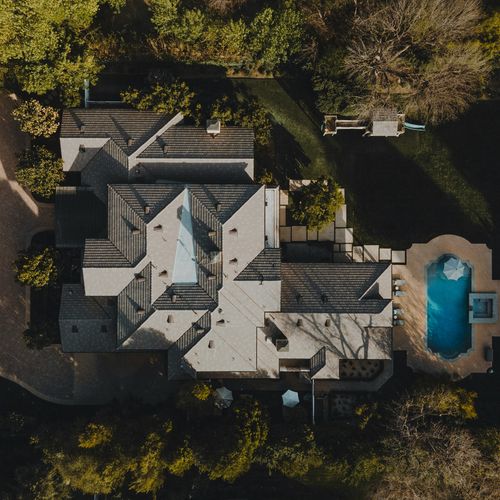


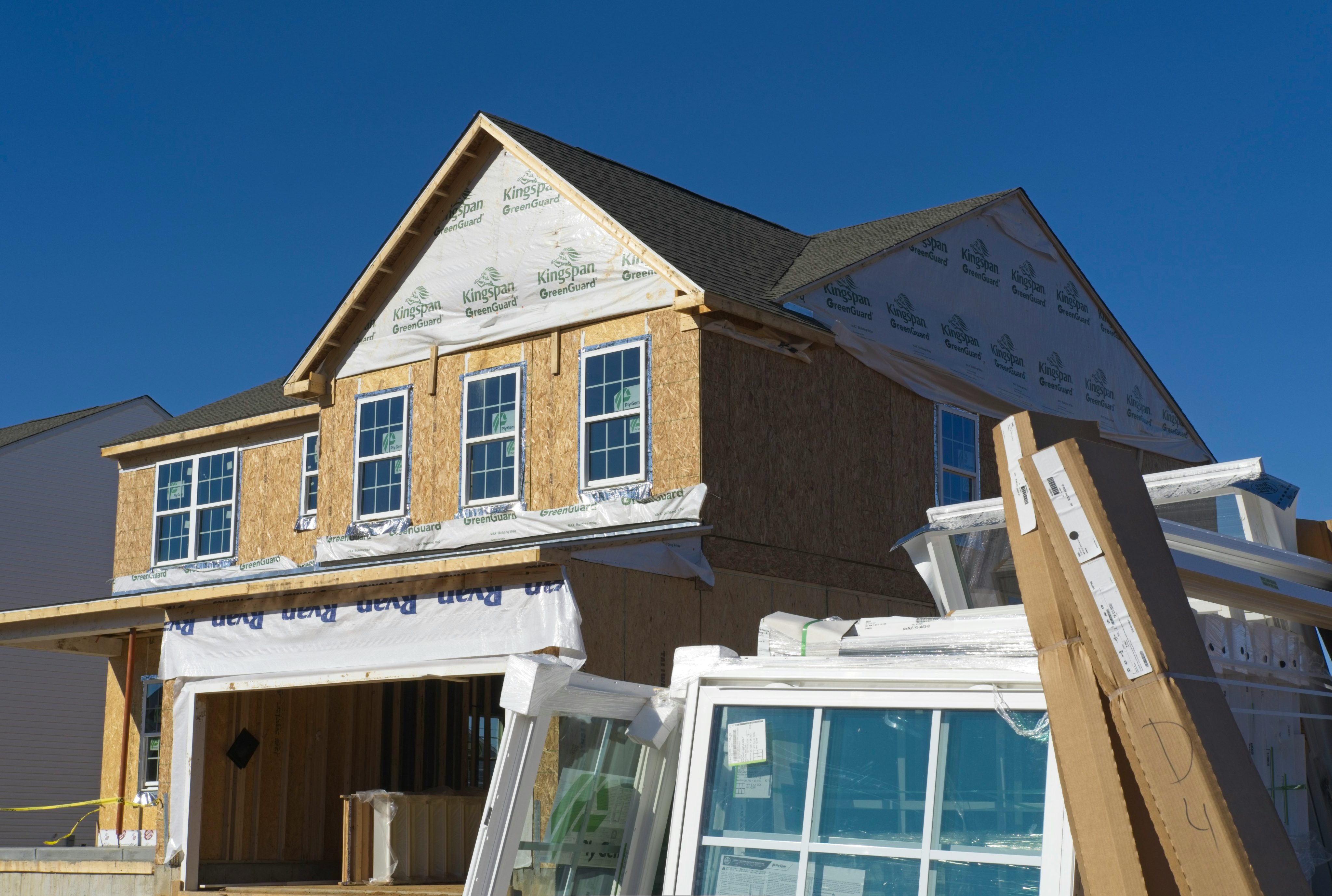
Almost every buyer I work with eventually asks the same question: should we build new, or buy something that already exists? There's no universally right answer. I've watched buyers thrive in a brand-new home they helped design from the studs up, and I've watched other buyers fall in love with a forty-year-old home the moment they walked through the door. The right choice depends less on which option is "better" and more on which one actually fits how you want to live, how much time you have, and how much uncertainty you're comfortable carrying.
What You're Really Buying With New Construction
When you buy new construction, you're not just buying a home. You're buying a process. Depending on how far along the community is, you may be selecting your lot, your floor plan, and a long list of finish options, from flooring to countertops to exterior color schemes. For buyers who enjoy that kind of input, it's one of the most appealing parts of building new. For buyers who want to move in and be done with decisions, it can start to feel like a second job.
New construction also means new systems. The roof, water heater, HVAC, and appliances are all starting their lifecycle at zero, which typically comes with manufacturer and builder warranties that resale homes simply can't offer. That peace of mind carries real value, especially for buyers who don't want to think about major repairs for the first several years of ownership.
What You're Really Buying With Resale
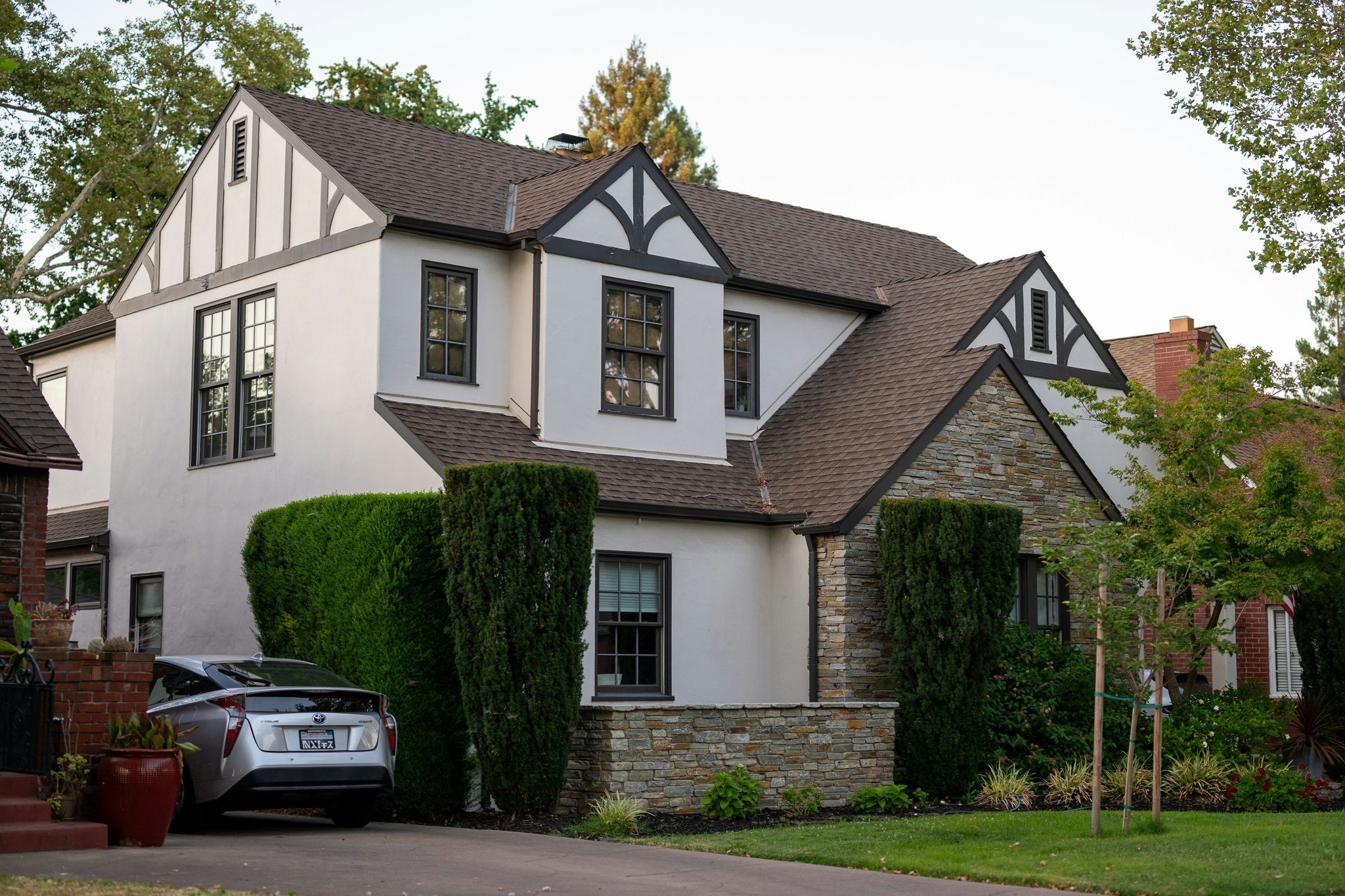
Resale homes offer something new construction fundamentally cannot: an established sense of place. Mature trees, settled landscaping, and neighborhoods that have already found their character all come with a resale purchase in a way that a freshly graded lot simply hasn't had time to develop. Many resale neighborhoods throughout the Sacramento region also offer more architectural variety, larger lot sizes relative to home size, and proximity to established amenities, schools, and commercial corridors that took decades to build out.
Resale homes also tend to move faster from offer to close, since there's no construction timeline standing between contract and move-in day. For buyers on a tighter schedule, whether due to a job relocation, a lease ending, or simply wanting to be settled by a certain date, that speed can outweigh almost every other consideration.
Comparing Cost Honestly
Buyers frequently assume new construction is automatically more expensive than resale, or automatically less expensive because there's "no bidding war." Neither assumption holds up consistently. New construction pricing depends heavily on the builder's current incentive structure, the specific lot premium, and how many upgrades you select. Resale pricing depends on condition, location, and how competitive the specific market is at the time you're shopping.
What buyers should really compare isn't the sticker price alone, but the total cost of ownership over the first several years. A resale home priced lower upfront might need a new roof or updated systems sooner than expected. A new construction home priced higher upfront might save significantly on maintenance and utility costs due to modern efficiency standards. [STAT: Insert current figure from CAR, Zillow Research, or local MLS on average maintenance cost differential between new and resale homes, if available — verify before publishing]
It's also worth factoring in the negotiation dynamic itself. Resale sellers, particularly in a balanced or buyer-favorable market, often have room to negotiate on price, credits, or repairs. Builders, by contrast, tend to hold firmer on base pricing but may offer incentives elsewhere, such as covering closing costs, buying down a rate, or including upgrades at no extra charge. Neither approach is automatically the better deal. It simply means the negotiation itself looks different depending on which path you choose, and it's worth going in with realistic expectations for each.
Timeline and Certainty
This is often the most underestimated difference between the two paths. Buying resale generally means a defined, relatively predictable timeline from accepted offer to closing. Buying new construction, particularly if you're building from an early stage in a community's development, can mean a timeline that shifts based on permitting, material availability, weather, and the builder's overall production schedule.
Neither timeline is inherently better, but they demand different levels of flexibility from the buyer. Whether rates are high or low and whether the broader market is fast-moving or slower, this trade-off between certainty and customization tends to hold steady.
Neighborhood Character and Long-Term Feel
New construction communities generally take several years to fully build out and mature. Early buyers in a community are essentially betting on what the neighborhood will become once landscaping fills in, amenities open, and later phases are completed. Resale buyers, by contrast, are stepping into a neighborhood that has already revealed its long-term character, for better or worse.
Some buyers genuinely enjoy being part of a community's early chapter, watching it grow, and having a hand in shaping its early identity. Others strongly prefer knowing exactly what they're getting from day one. Both preferences are completely valid, and it's worth being honest with yourself about which one actually describes you before you commit to either path.
Questions Worth Asking Yourself Before You Decide
- How much do I want to be involved in selecting finishes and options versus simply moving into a finished product?
- How flexible is my timeline if a build schedule shifts?
- Do I value a mature, established neighborhood, or am I comfortable with a community that's still developing?
- How do I weigh a lower upfront cost against potential near-term repair or update costs?
- Am I comfortable with builder-standard warranties, or do I want the ability to negotiate repairs and credits the way you can in a resale transaction?
There's no wrong answer to any of these. What matters is answering them honestly before you start touring, rather than discovering your true preferences halfway through the process.
Is There a Middle Path?
Some buyers assume the choice between new construction and resale is entirely binary, but there's a well-worn middle path worth mentioning: buying an established resale home with the specific intention of renovating it over time. This approach lets buyers secure a mature lot and an established neighborhood while still gradually shaping the home's interior to feel closer to new.
This path takes patience and a realistic budget for the work involved, and it's not the right fit for every buyer. But for those who want the character of an older neighborhood without settling permanently for outdated finishes, it can offer the best of both approaches. It's worth discussing with your agent early, since not every resale home makes a strong renovation candidate, and some carry structural or systems issues that make new construction the more practical route after all.
How I Help Buyers Navigate This Decision
Part of my role is helping buyers see past the excitement of a builder's model home or the charm of a resale listing photo, and think clearly about which option actually serves their life over the next several years. I walk clients through active new construction communities throughout the Elk Grove area and beyond, and I help resale buyers evaluate homes with a clear eye toward both character and condition.
If you're standing at this fork in the road and aren't sure which direction fits you best, I'd be glad to walk through both options with you in person. Sometimes the clearest way to decide is simply standing in a few of each.
Frequently Asked Questions
Is new construction more expensive than a resale home?
Not necessarily. Pricing depends on the builder's current incentives, lot premiums, and selected upgrades for new construction, and on condition and location for resale. Buyers should compare total cost of ownership over the first several years rather than sticker price alone.
How long does it typically take to close on new construction versus resale?
Resale transactions generally follow a more predictable, shorter timeline from accepted offer to closing. New construction timelines vary based on the build stage, permitting, and the builder's production schedule, and can shift more than a resale timeline typically would.
Do new construction homes come with warranties that resale homes don't?
Yes. New construction typically includes builder and manufacturer warranties covering major systems and structural elements for a defined period. Resale homes do not come with these warranties, though buyers can often negotiate repairs or credits based on inspection findings.
Which option offers more customization?
New construction generally offers more customization, particularly if you buy early in a community's development, allowing you to select floor plans, finishes, and upgrades. Resale homes can still be renovated after purchase, but the base structure and layout are already fixed.
Is it better to buy in an established neighborhood or a newer, still-developing community?
It depends on personal preference. Established neighborhoods offer mature landscaping and a known character from day one. Newer communities offer the chance to be part of a neighborhood's early development, with amenities and landscaping that mature over time.
Check out this article next